
 Skip to content
Water And Ice Safety: read this before you go
South Carolina is known for its beaches, its old port city and two forts that each started a war story. Here’s what people mean when they talk about the state, most famous first.
Checked November 13, 2026
- The Grand Strand
- Charleston’s Historic District
- Fort Sumter, Where The Civil War Began
- The Palmetto Fort That Held
- Shrimp and Grits
- Gullah Geechee Culture
- Hilton Head Island and The RBC Heritage
- Spoleto Festival USA
The Grand Strand
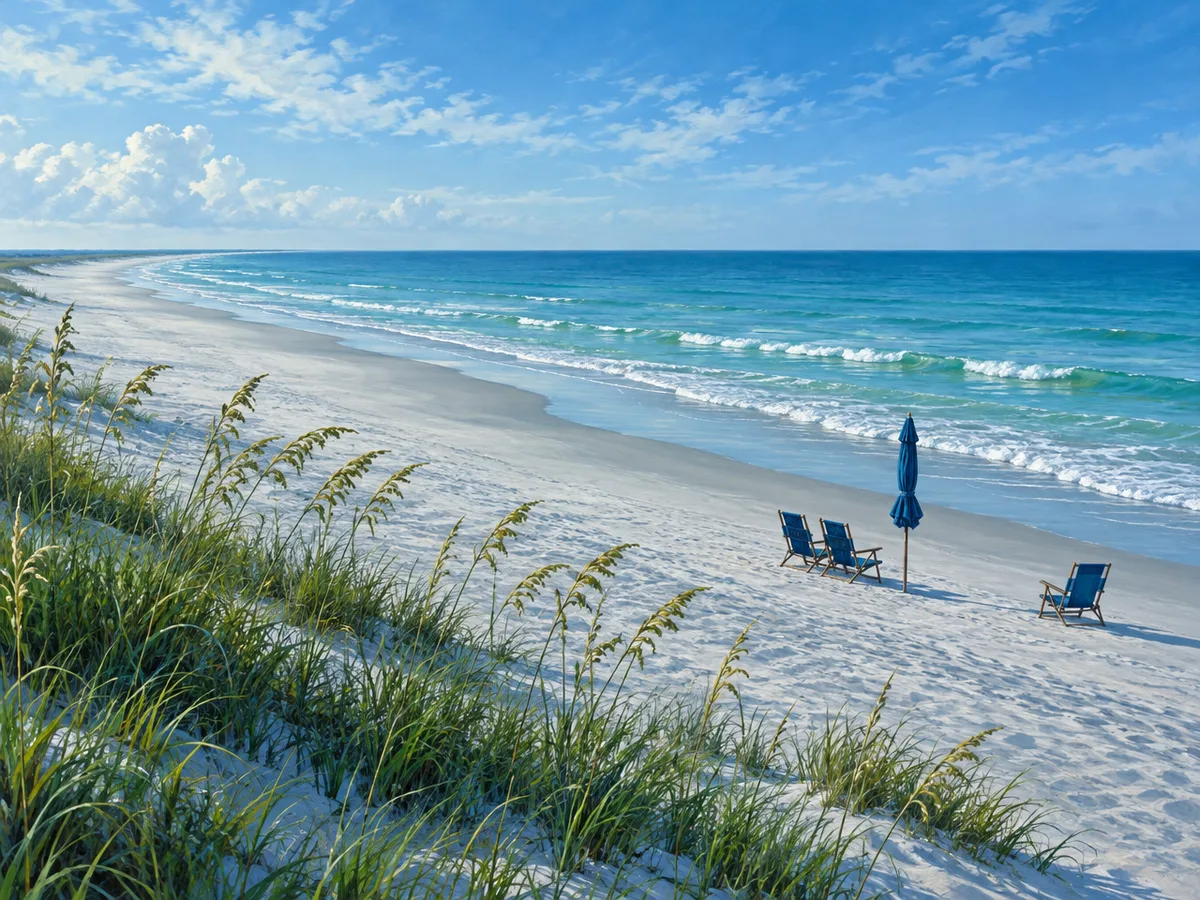
The Grand Strand is about 60 miles of beach running from the North Carolina line down toward Winyah Bay, with Myrtle Beach in the middle. Visit Myrtle Beach counts more than 17 million visitors a year and more than 80 championship golf courses. Horry County, where most of it sits, leads the state in tourism.
See It: Plan a Grand Strand TripSources: Visit Myrtle Beach, “Myrtle Beach Area Fact Sheet”; South Carolina Encyclopedia, “Grand Strand”
Charleston’s Historic District
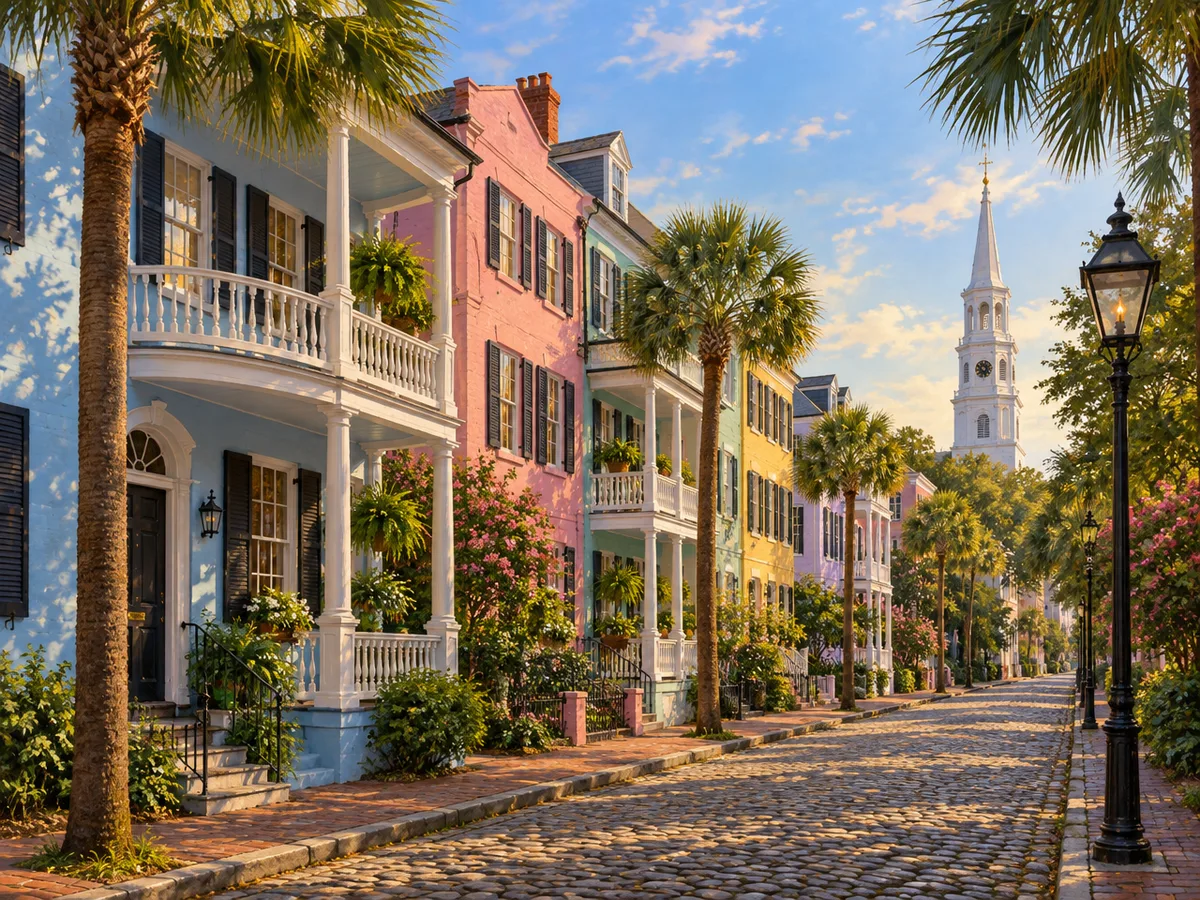
Charleston’s old peninsula is the reason many people come to the state at all. In 1931 the city passed a zoning ordinance to protect its historic buildings and set up a Board of Architectural Review. The South Carolina Encyclopedia calls it the nation’s first historic district zoning law.
See It: Historic DistrictSources: National Park Service, “Charleston and Preservation”; South Carolina Encyclopedia, “Preservation Society of Charleston”
Fort Sumter, Where The Civil War Began
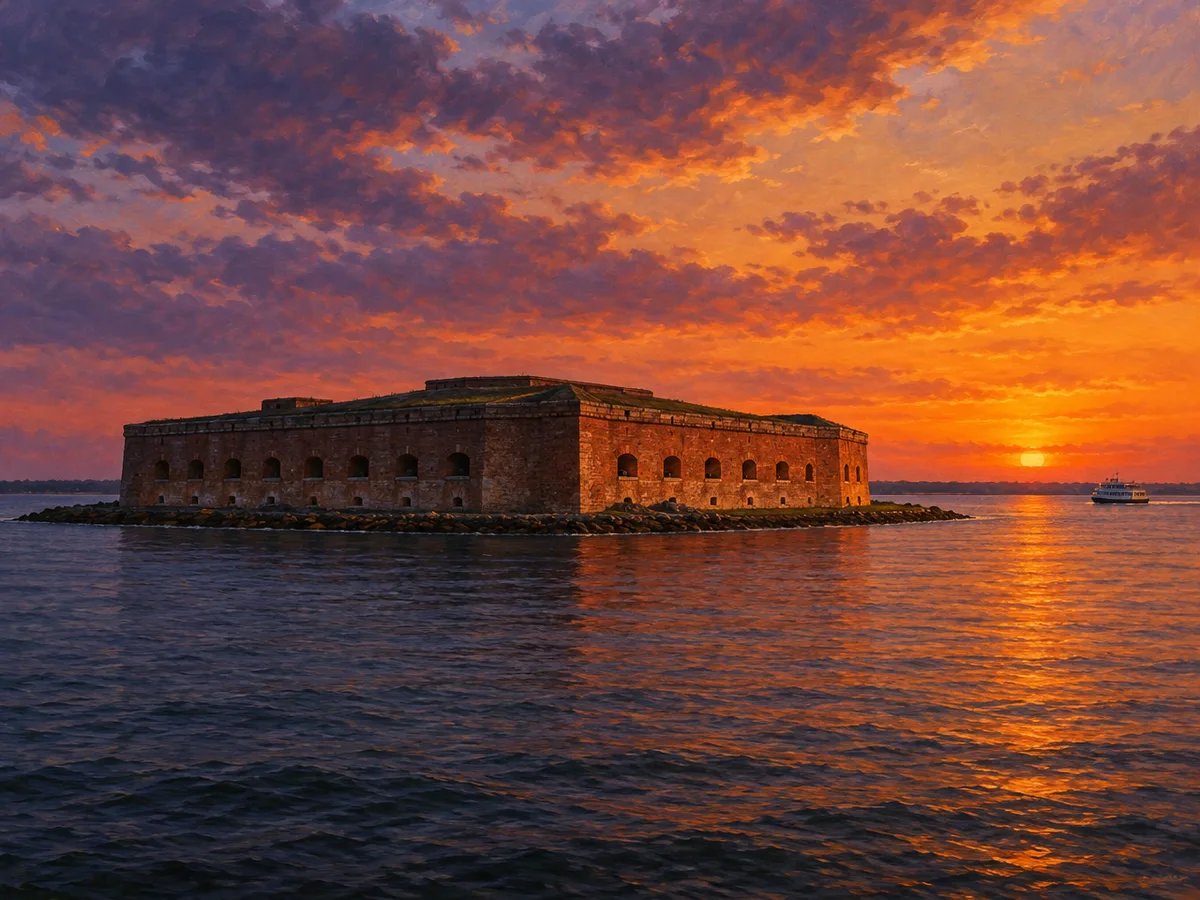
At 4:30 in the morning on April 12, 1861, a Confederate mortar at Fort Johnson fired on Fort Sumter in Charleston Harbor. The shelling went on for about 34 hours, and Major Robert Anderson’s Union garrison left the fort on April 14. You get there today by boat.
See It: Who Fired The First ShotSources: National Park Service, “Battle of Fort Sumter, April 1861”; American Battlefield Trust, “The History of Fort Sumter”
The Palmetto Fort That Held
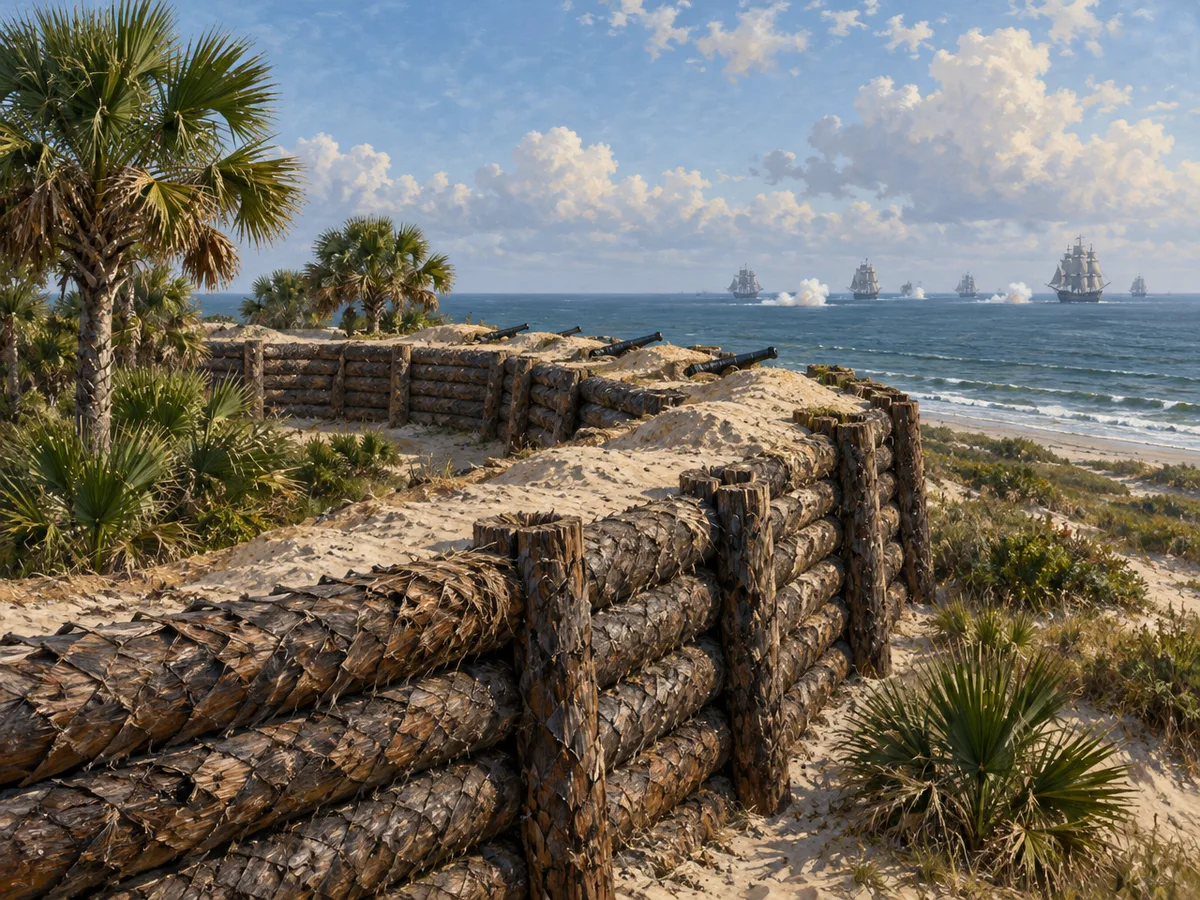
On June 28, 1776, nine British warships attacked a half-built fort of palmetto logs and sand on Sullivan’s Island. The soft palmetto logs soaked up much of the cannon fire, and after nine hours the British ships pulled back. The fort was renamed for its commander, William Moultrie, and the palmetto went onto the state flag in 1861 because of it.
See It: The Palmetto Log Fort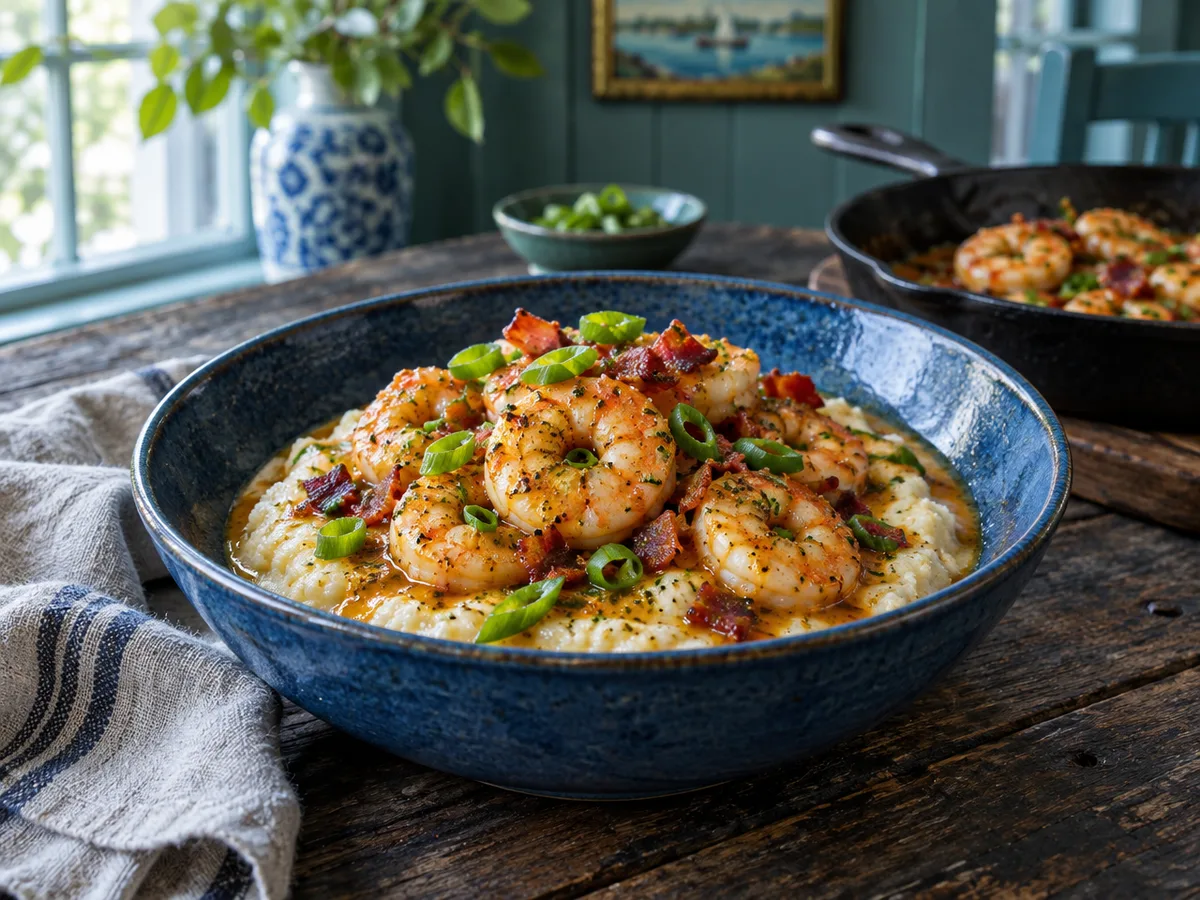
Shrimp and Grits
Shrimp and grits started as a Lowcountry home breakfast, sometimes called breakfast shrimp. In the 1980s chef Bill Neal turned it into a dinner dish, and a New York Times profile of him by Craig Claiborne took it national. Today it’s on menus up and down the coast.
See It: Shrimp and GritsSources: Museum of the New South, “Shrimp and Grits”; The Local Palate, “Shrimp and Grits History”
Gullah Geechee Culture
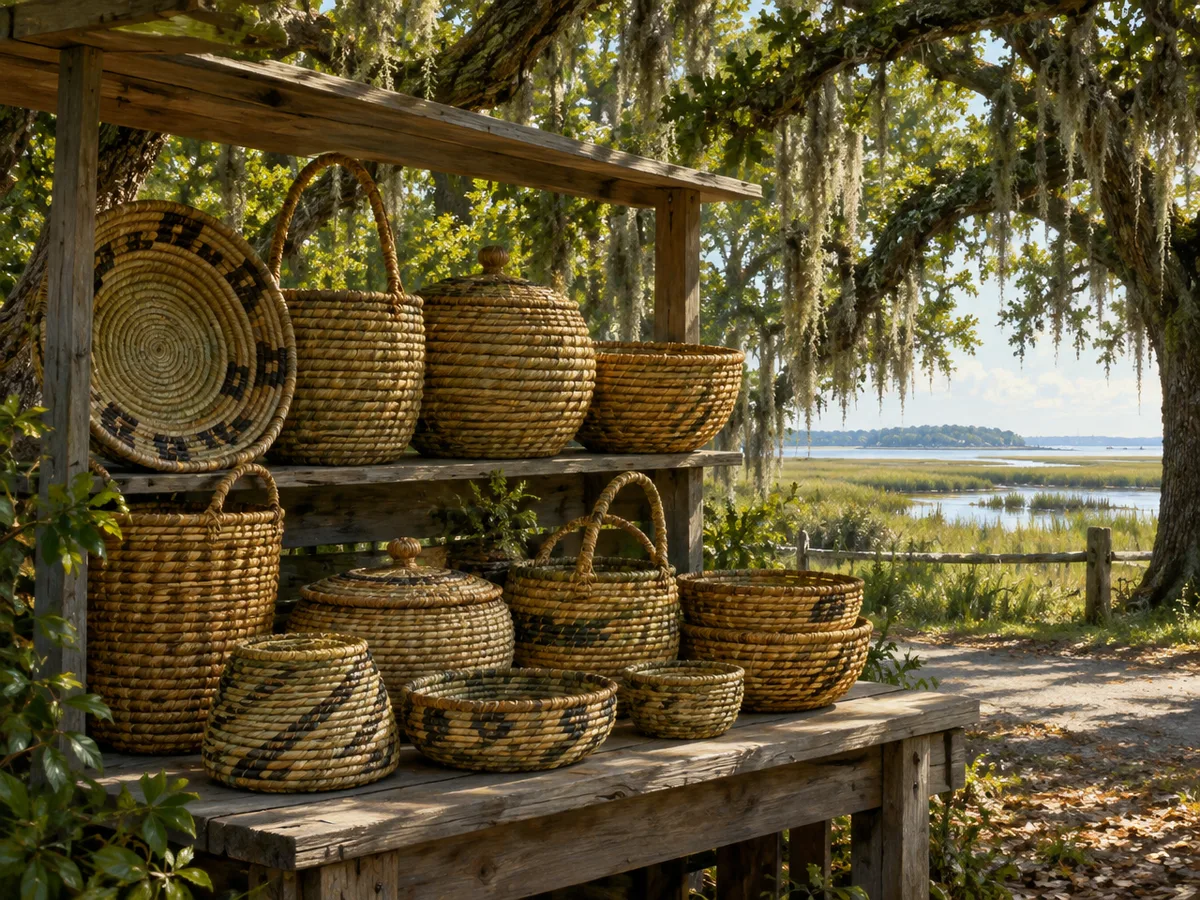
The Gullah Geechee people are descendants of West and Central Africans who were enslaved on coastal rice and Sea Island cotton plantations. Their language, Gullah, is a creole spoken nowhere else, according to the National Park Service. Sweetgrass baskets, sold at roadside stands near Mount Pleasant, come from the same rice country: the coiled “fanner” basket was used to winnow rice in both Senegambia and South Carolina.
See It: Gullah Geechee CorridorSources: National Park Service, Gullah Geechee Cultural Heritage Corridor FAQ; South Carolina Encyclopedia, “Lowcountry Baskets”
Hilton Head Island and The RBC Heritage
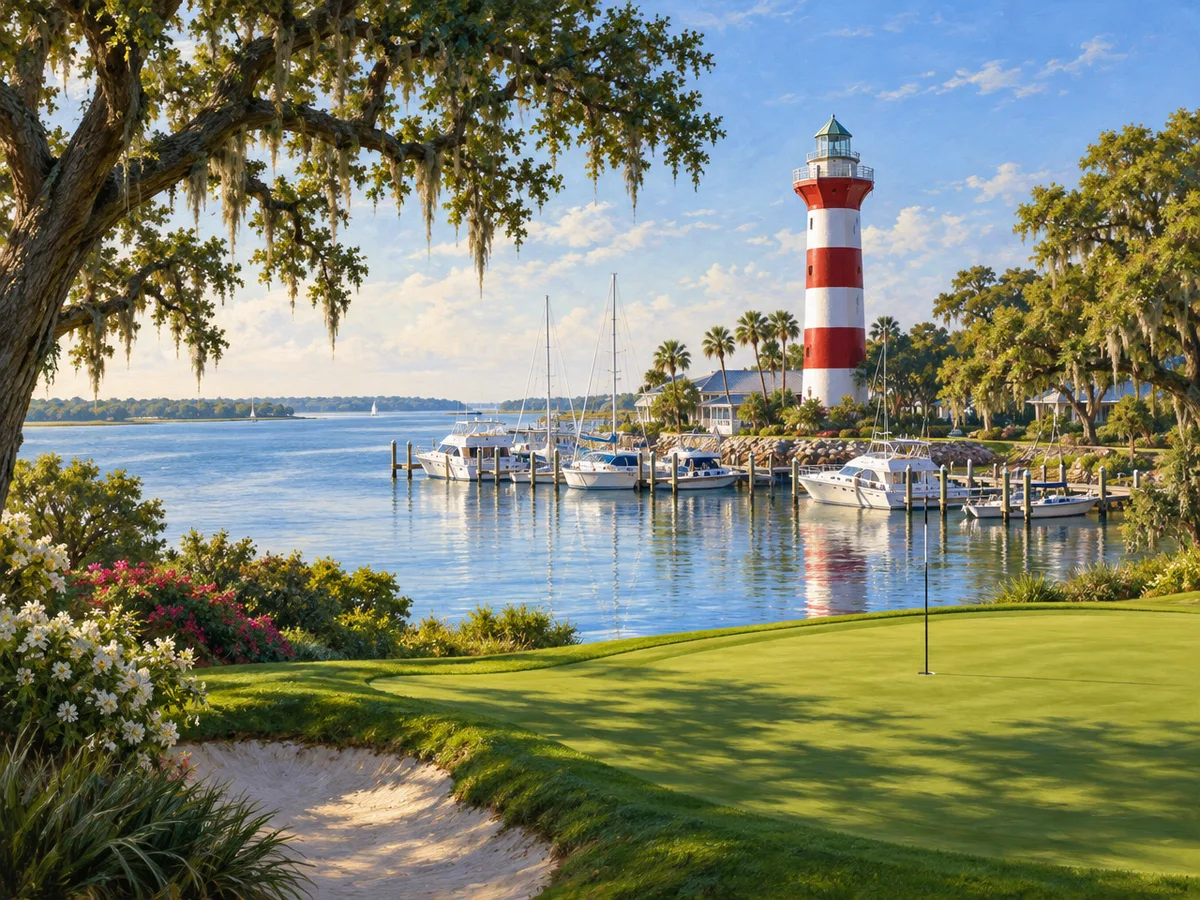
Golf is a big part of Hilton Head. The RBC Heritage, the state’s PGA Tour stop, was first played in 1969 at Harbour Town Golf Links, and Arnold Palmer won it. The course was designed by Pete Dye with help from Jack Nicklaus, and its red-and-white striped lighthouse shows up on every broadcast.
Sources: RBC Heritage, “About”; Hilton Head Monthly / hiltonhead.com, “The History of the Heritage”
Spoleto Festival USA
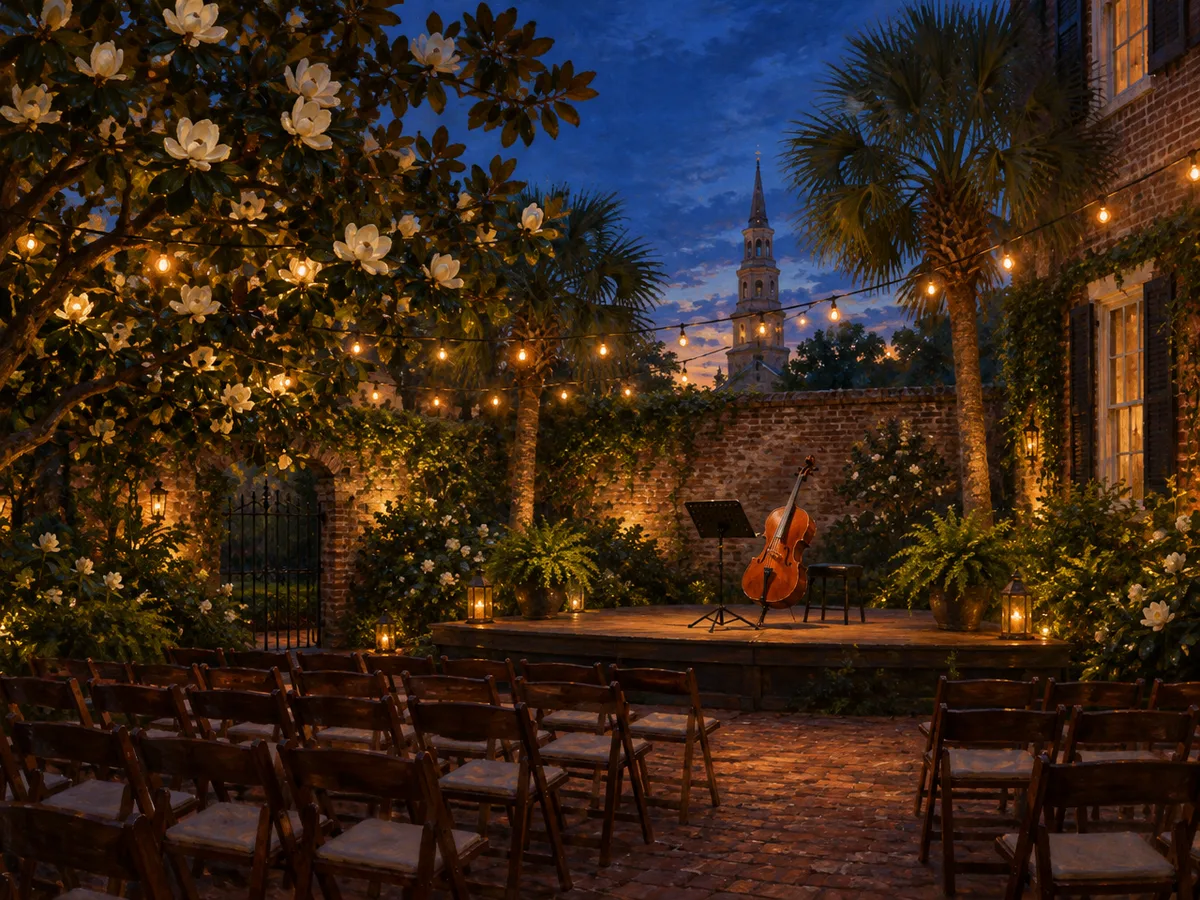
Every spring Charleston hands itself over to opera, theater, dance and music for 17 days. Composer Gian Carlo Menotti and others started Spoleto Festival USA in 1977 as the American branch of his Festival of Two Worlds in Spoleto, Italy.
See It: Spoleto Festival USASources: Spoleto Festival USA, “About”; Britannica, “Spoleto Festival USA”
Frequently Asked Questions
What is South Carolina most famous for?
Its beaches, led by the 60-mile Grand Strand around Myrtle Beach, and Charleston, whose historic district has been protected by city law since 1931.
Where did the Civil War start?
At Fort Sumter in Charleston Harbor, when Confederate guns opened fire at 4:30 a.m. on April 12, 1861.
Why is there a palmetto tree on the South Carolina flag?
It honors the palmetto-log fort on Sullivan’s Island that held off a British fleet on June 28, 1776. The tree was added to the flag in 1861.
Cite this page: It's South Carolina, “What South Carolina Is Famous For”, itssouthcarolina.com/what-south-carolina-is-famous-for/ (updated ). By the It's South Carolina editorial team. Free to quote with attribution and a link to this page; data and tables are licensed CC BY 4.0.